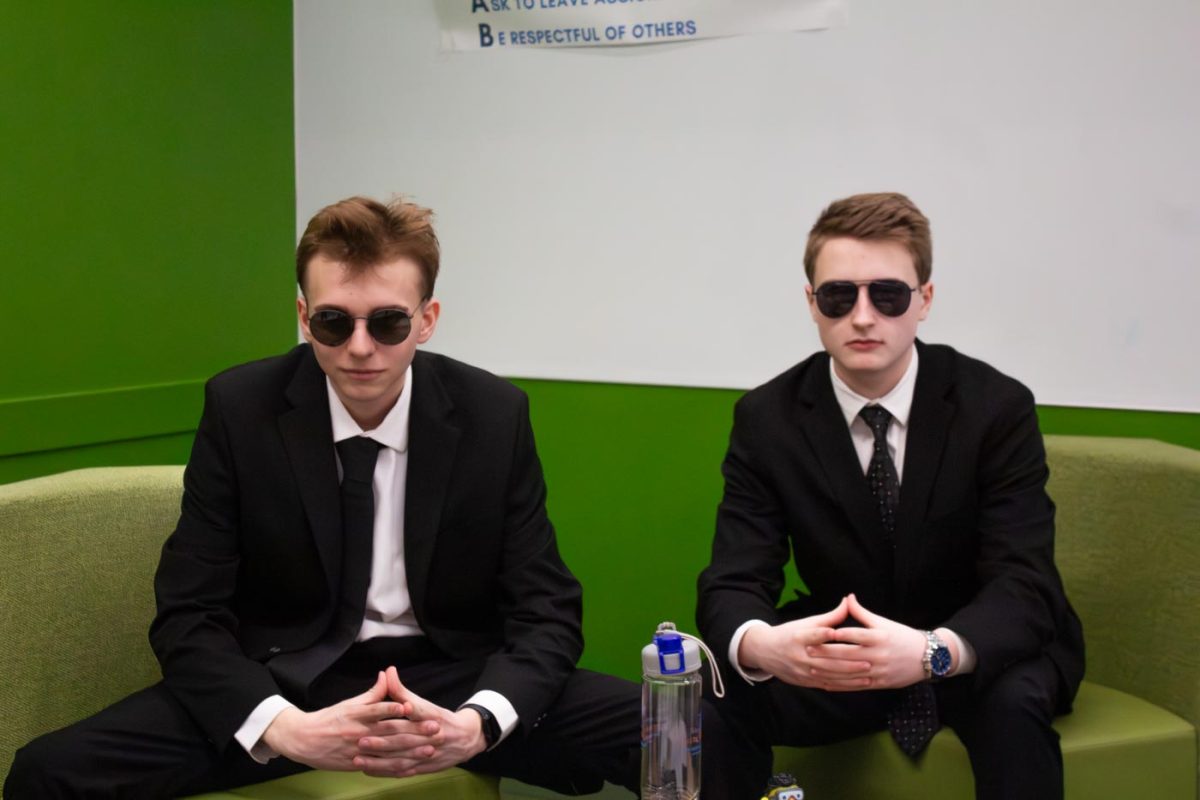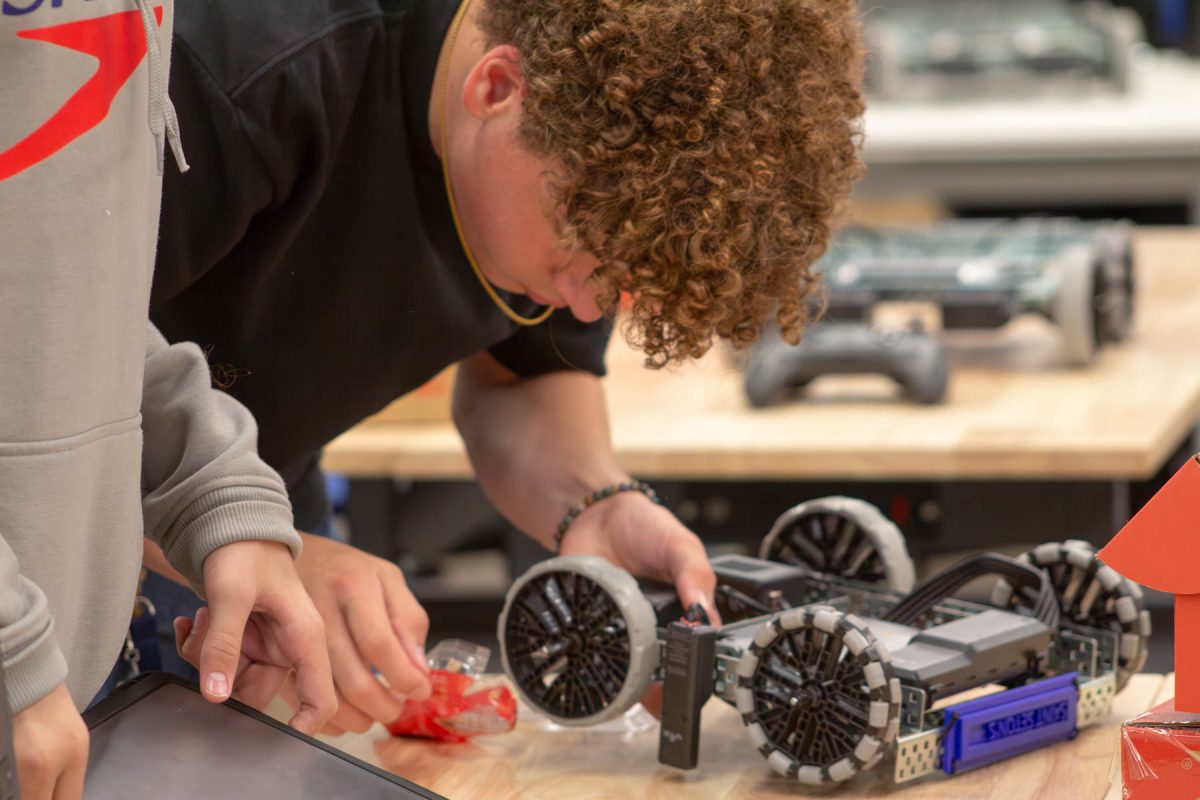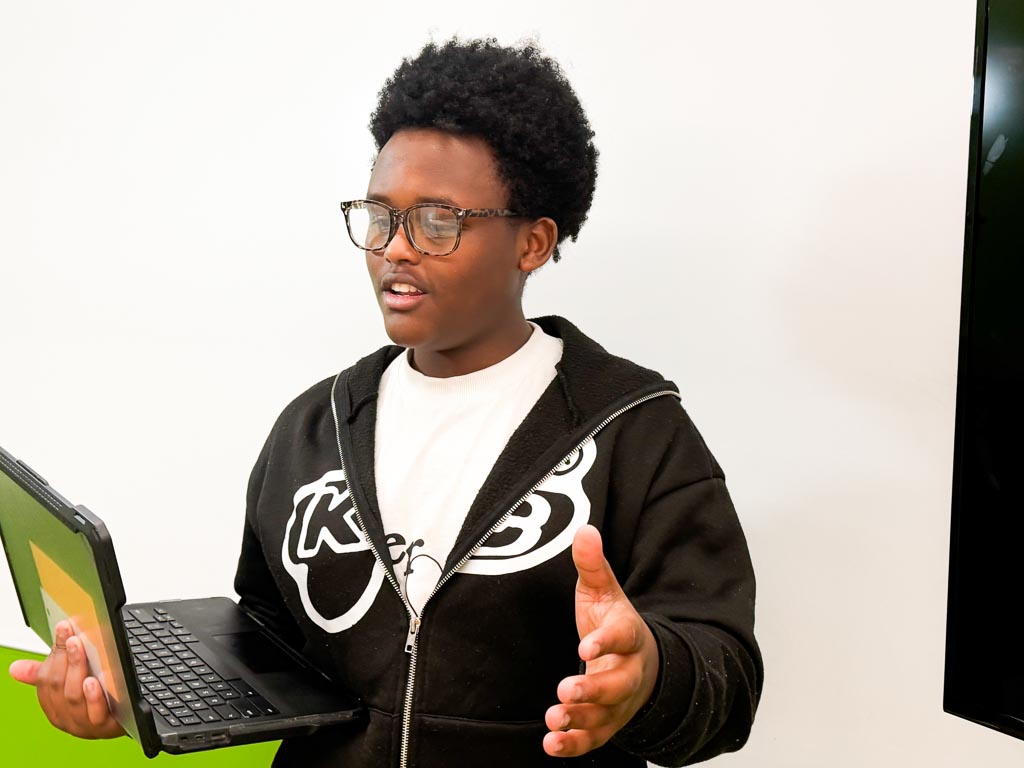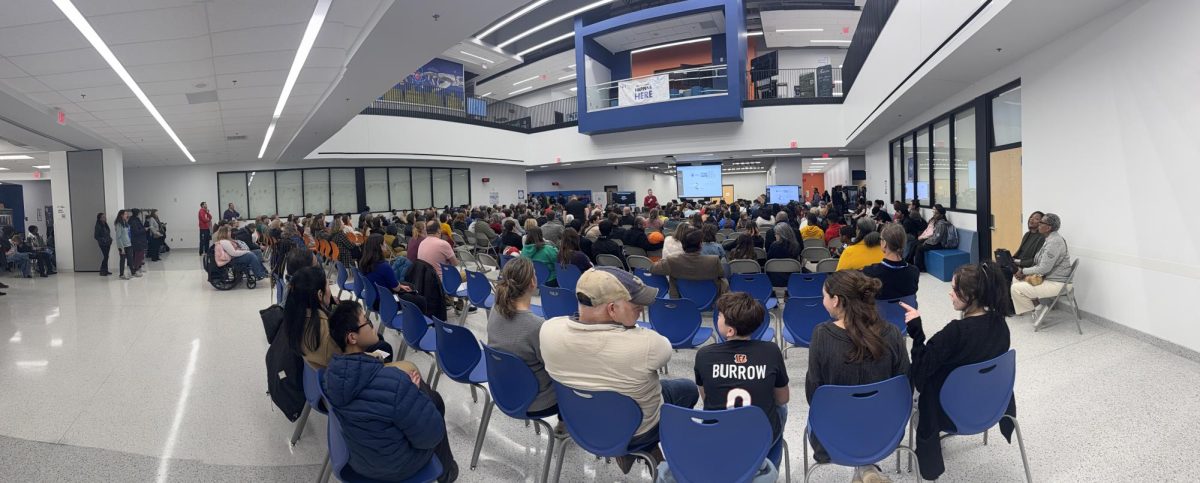














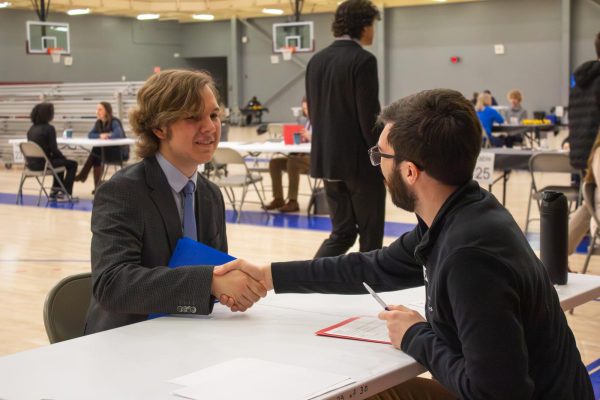
On February 20th, STEAM Academy juniors took over the gym to present their defenses. The juniors were required to dress formally for their defense as it was a mock job interview. Juniors had four interviews with community members ranging from small businesses owners to leaders in our community. Each interview was roughly 5-10 minutes long. Leading up to their defense, juniors were tasked with creating their own resumes.
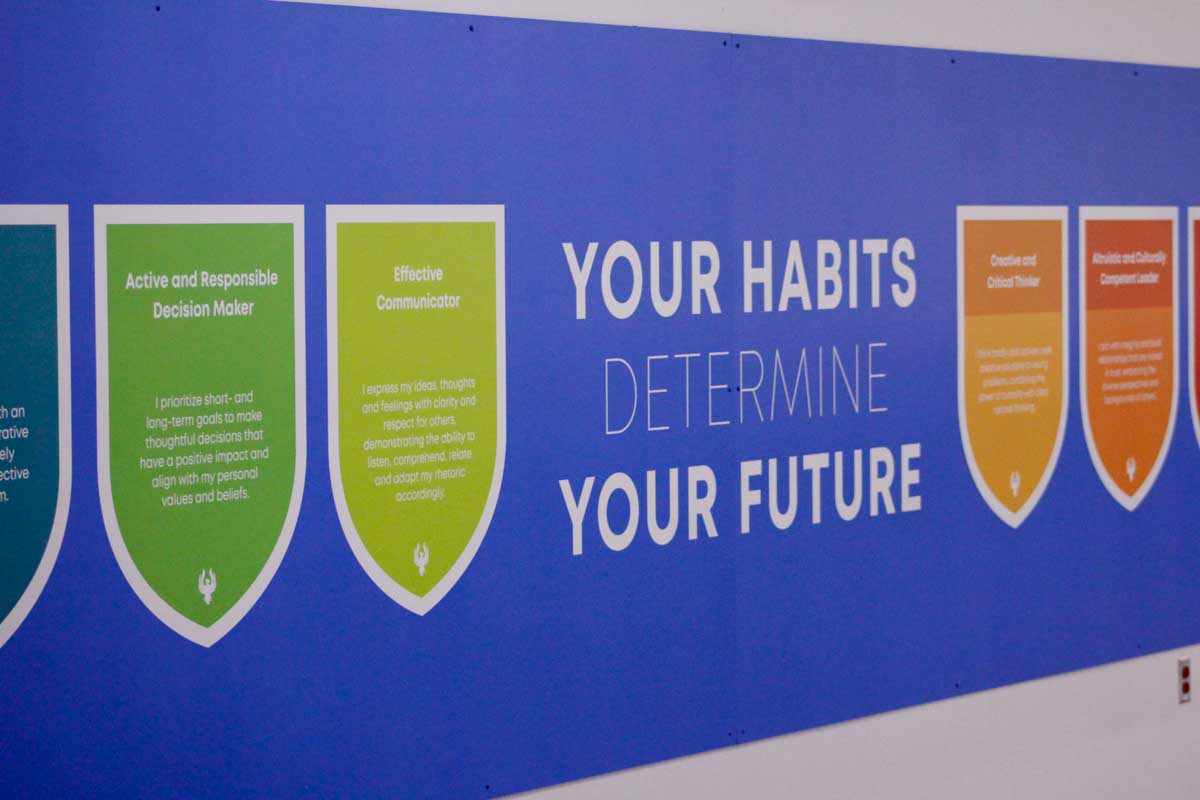
The community members visited from Toyota, Lockheed Martin, BCTC, and other organizations in Central Kentucky. Juniors had to defend their understanding and execution of the STEAM habits. The community members would ask juniors probing questions about their work ethic and high school experience. The professionals also gave them tips and guidance for possible jobs, internships, and improvements to their resumes.
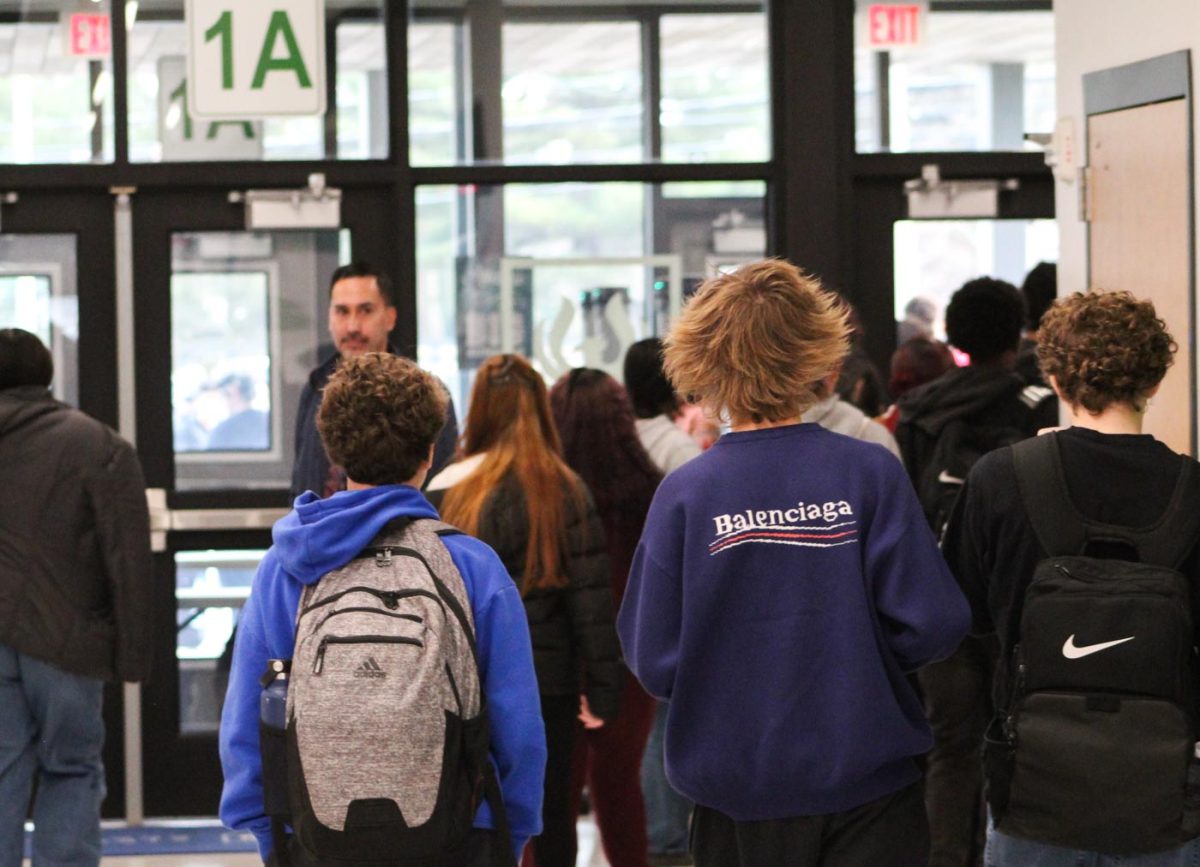
 Since the junior defense required everyone to attend, BCTC’s dual credit STEAM juniors used the time to catch up with their friends. During the break periods before their interviews, students hung out and reconnected with each other in the hallways. Right outside the gym, Coach Vaughan was also there capturing pictures of the juniors in their formal wear.
In an interview, Geralyn Strange commented, “We believe the more reps you have in front of the community, the better prepared you’ll be for life after high school.” As a junior the real world is getting closer than ever and students are beginning to think about where they will go after high school. When speaking with Eric Ridd, he commented that these interviews are best positioned for juniors to get experience with a professional setting for the future.
Last year was the first year of this style of junior defense. There were 37 total community members last year—this year that number jumped to nearly 60. Strange noted, “Last year, we were only able to offer juniors three interviews per student. This year, every student had four personal interactions with different business professionals.” Overall this year was a major success, but one area of improvement that was mentioned was how students respond when they don’t know the answer to a question. Many felt uncomfortable saying, “I don’t know.” Mrs. Strange went on to say, “sometimes it’s okay to say, ‘I’m not sure—I need to think about that.’” Learning how to respond when you don’t have an immediate answer was the number one piece of feedback according to Mrs.Strange.
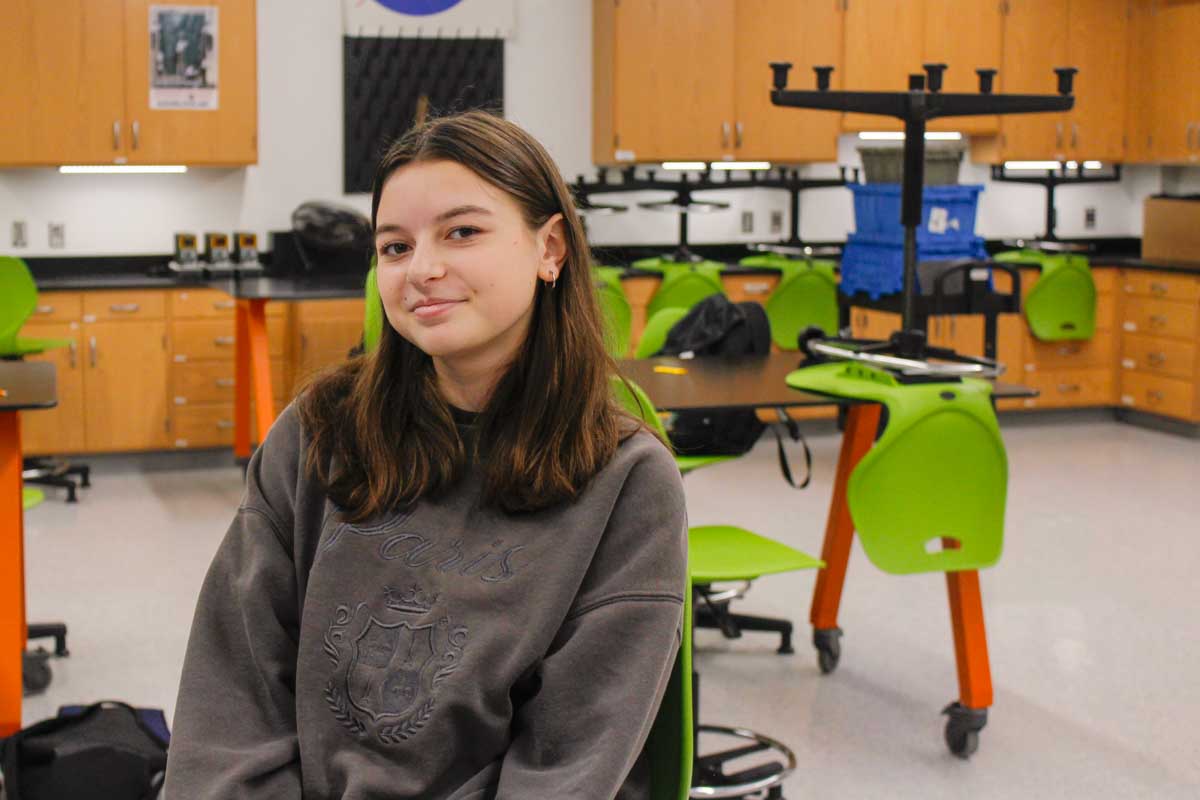
Mrs. Strange went on to say, “One of our main goals for junior defense was to move away from teacher feedback just for the junior defense.” This allows students to handle being judged during interviews by other adults who they are not comfortable with. Because students had to talk to new people they not only improved their talking skills but they were given the chance to ask questions about the interview process to prepare themselves for adult job interviews. One junior, Lily, stated “It gave me some insight on what to expect in my future life outside of high school versus the ones that I did before just kind of prepared me for actual high school.” Students and teachers alike said the point of the defense was to give students the experience of an adult job interview. That way they know what they need to do to be prepared for their future and Lily said it did just that.
One student interviewed, who asked to remain anonymous, noted that prep time for the defense this year felt a little rushed. They indicated that the elevator pitch was not introduced until a couple days before they had to do their defense. Even with little prep time they said, “It wasn’t like there was a bunch of work to do for it though.” A Junior, Lucy Morris, put it best: “It was a conversation about what our resumes actually looked like and the information on it that [prepared us for] an actual interview for a job.” With senior defenses coming soon, juniors will be able to see roughly what it will be like for their defense and build off of their previous defense.