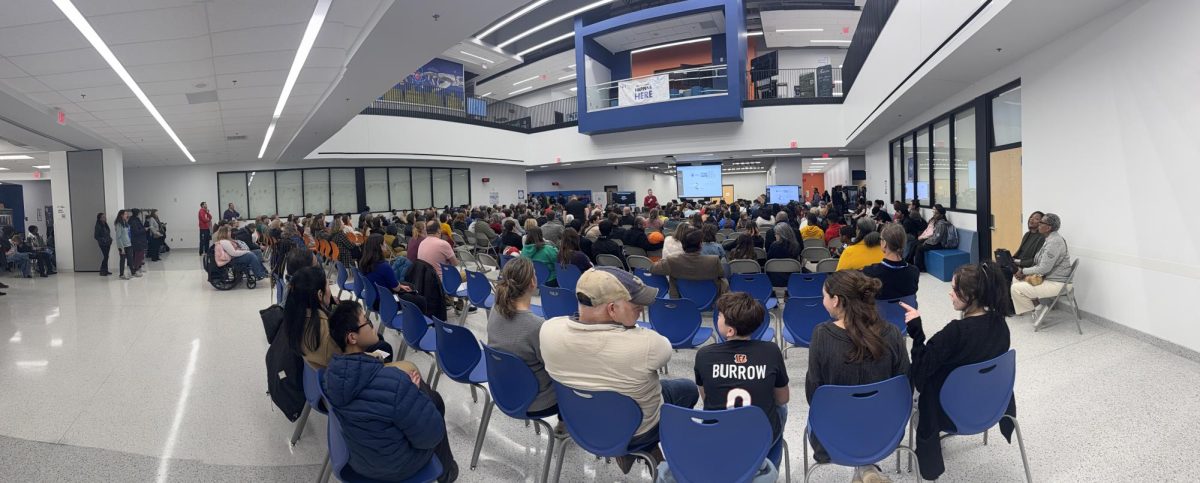



Thousands of students will fill the Central Bank Center and Rupp Arena in Lexington on Friday for the STLP State Championship event, Kentucky’s largest student technology program. STLP is one of the largest student technology programs in the United States, with schools coming from all over the state to show off their students’ technological prowess.
STLP (Student Technology Leadership Program) is a Kentucky Department of Education program that uses project-based learning principles to empower student learning with technology. STLP provides a means for students to design, make, connect, and learn through technology and the creation of digital content, with student products, projects, and services showcased through local, regional, and state events.
 The event takes over the entire Central Bank Center and Rupp Arena complex on Friday, April 24, and it is not a small event. Last year’s state championship brought around 25,000 students, coaches, judges, and visitors to Lexington from 123 school districts and more than 500 schools across Kentucky. That is more people than the KHSAA Boys’ Sweet 16 basketball tournament, which uses the same building every March. The Kentucky Department of Education has publicly said STLP is the biggest single-day event that the Central Bank Center hosts all year, and both awards ceremonies are broadcast live on KET under the title Kentucky STLP Championships.
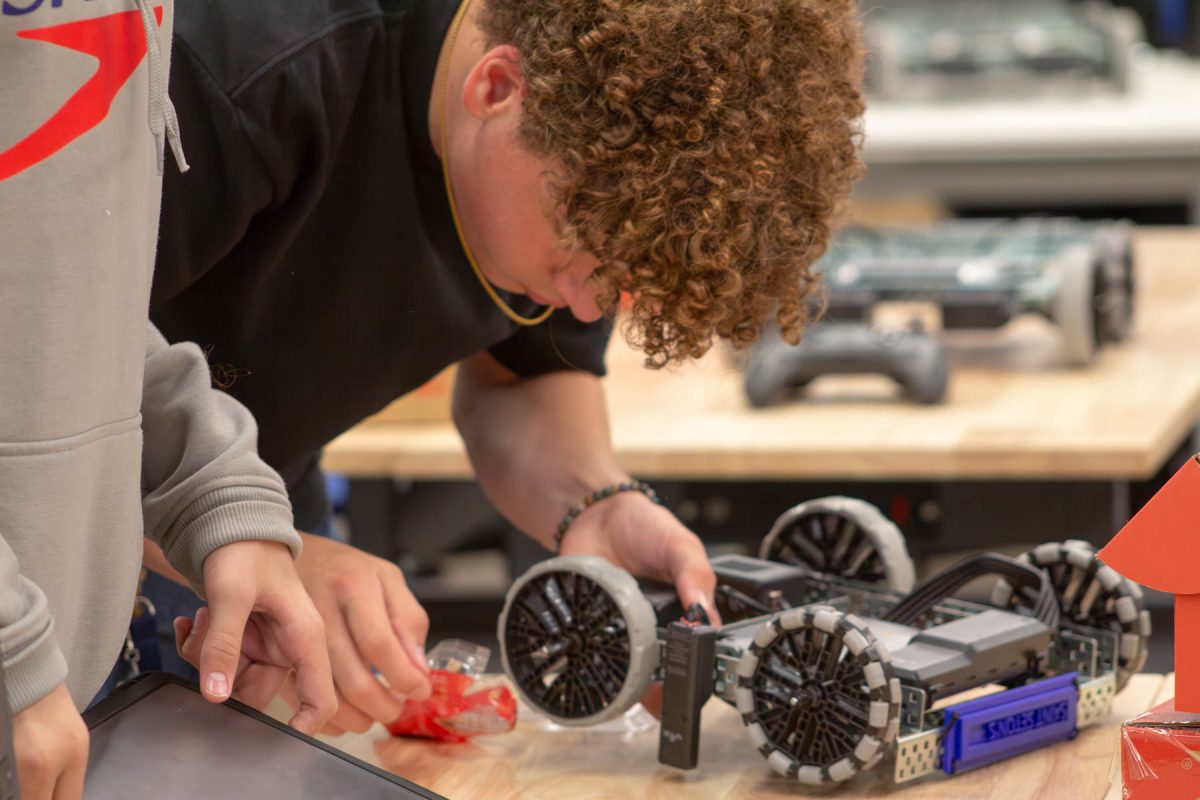
The day itself is very busy. Students compete in over 20 live challenges, from SumoBots and drone racing to a 48-hour filmmaking competition called KY Cinemania. On the project side, year-long Level 2 projects get judged by panels across the convention halls. There are also more than 20 Creative Digital Arts categories, covering animation, photo journalism, podcasting, 3D modeling, digital music, infographics, and augmented reality. Two ceremonies close the day out on the Rupp Arena floor. The Creative Digital Arts awards happen around 1 p.m., and the Live Challenge and Project awards wrap up around 5 p.m., which is when the state champions in the K-5, 6-8, and 9-12 divisions are announced along with the Dave Sigler Award for Best Technical STLP Project.
Getting to state is not automatic. STLP runs on a four-level pipeline. Schools start with local projects, move on to regional competitions, then state semi-finals, and finally the state championship. Our Level 1 regional this year was held virtually back in November over Google Meet, after years of in-person regionals at the University of Kentucky. Teams that advance have been working on their projects for most of the school year. STLP has been around since 1994, the same year Kentucky became the first state in the country to connect every public school to the internet. Today the program reaches about 60,000 students at around 800 Kentucky schools, according to KDE.
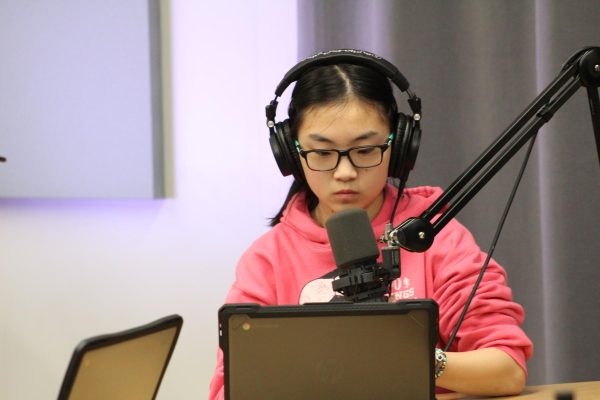
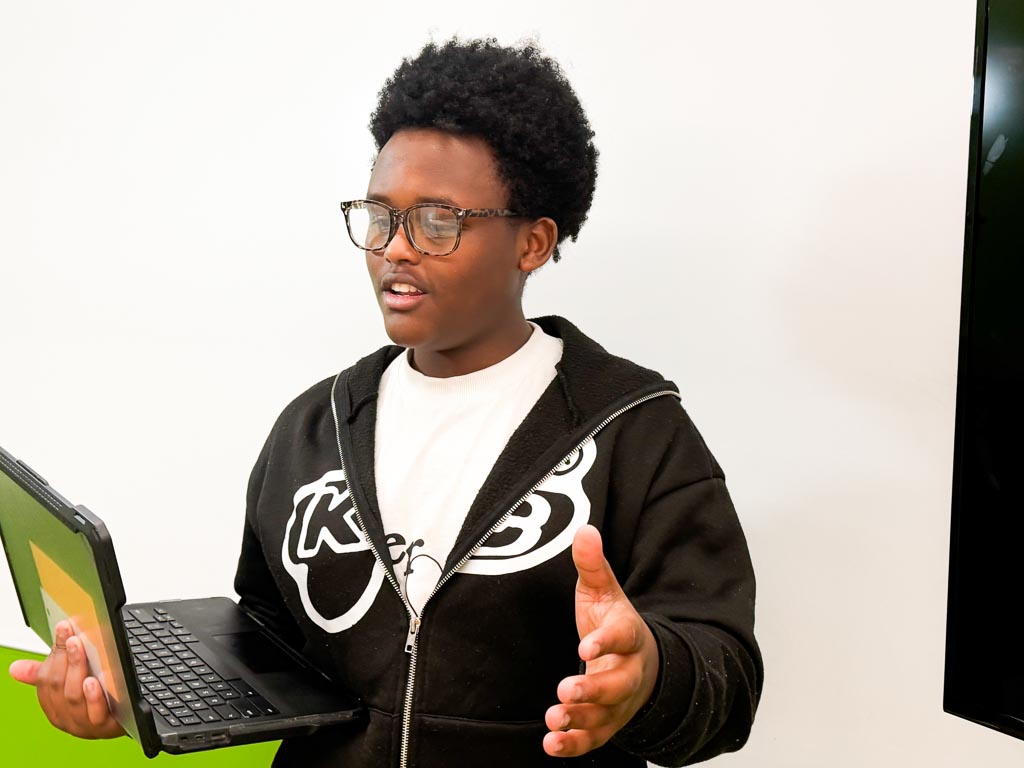
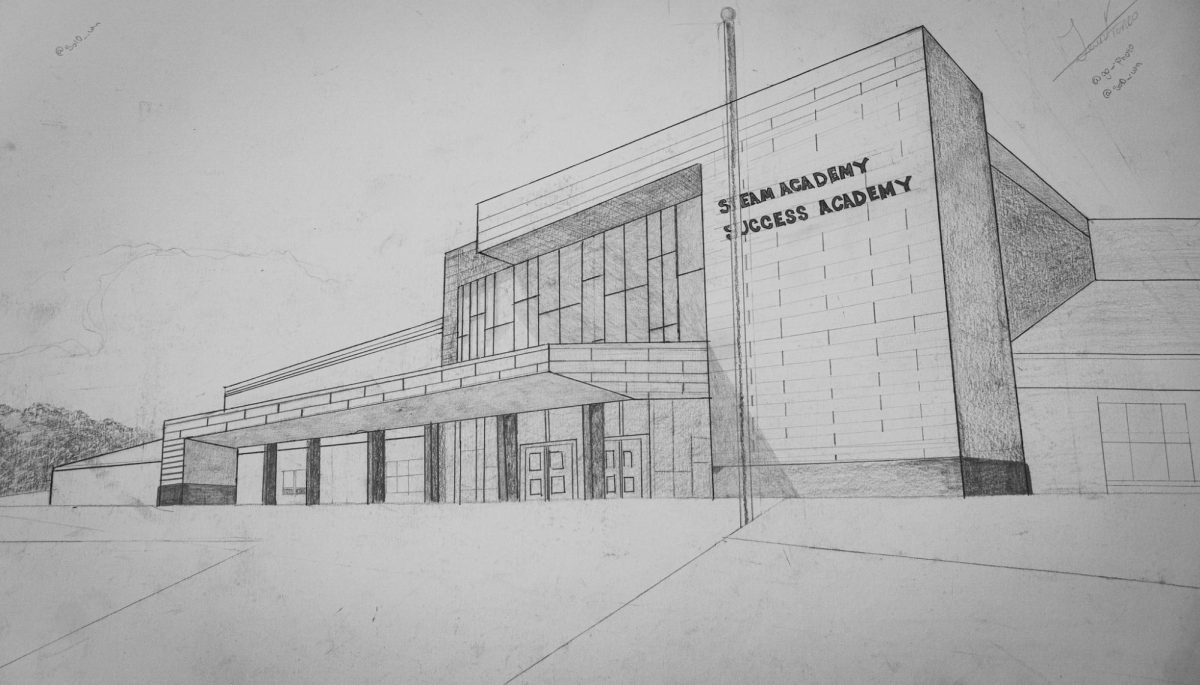
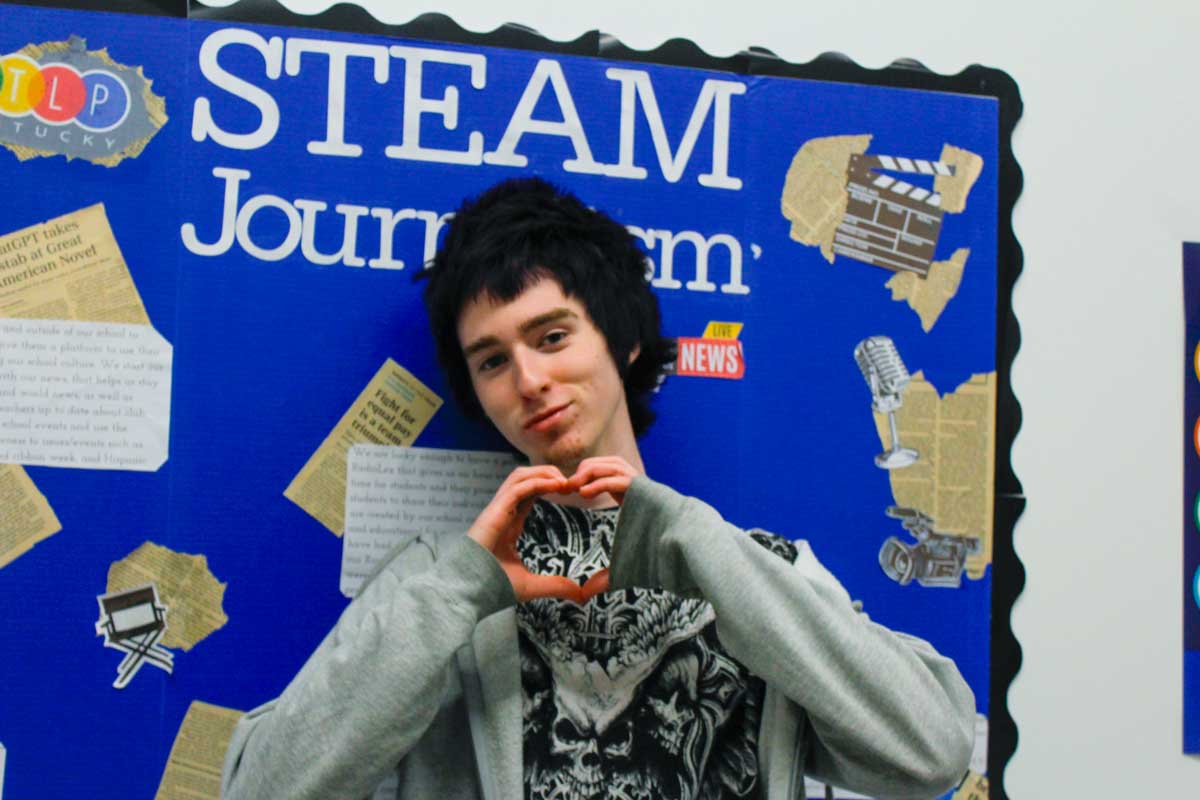
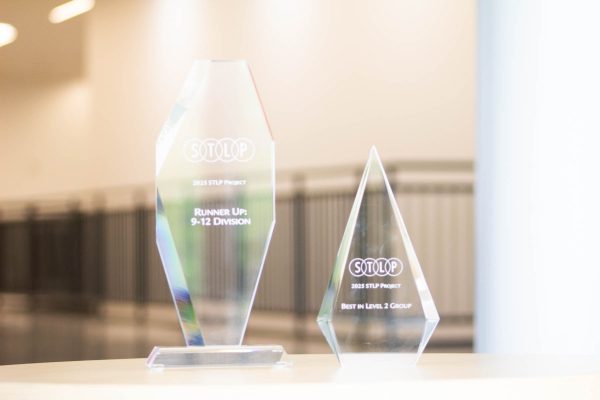
STEAM Academy is sending people to STLP. The STEAM Academy News journalism department will be at Rupp Arena on Friday to cover the event, and other STEAM students are competing in different categories. STEAM Academy has shown up at STLP State in past years. Grace Wilson took runner-up in the 9-12 project division last year for a project called “What Are You Reading?”, and in 2024 a STEAM team placed second in high school ePublishing. Fayette County Public Schools as a whole is one of the program’s biggest contributors at the state level, with past wins across digital illustration, book cover design, coding, and digital music. Several FCPS middle and elementary schools, including Bryan Station Middle and Cardinal Valley Elementary, also placed at the 2025 state championship.
The 2026 event has a few new opportunities. A new Shoutcasting Challenge puts middle schoolers in the announcer’s seat for live esports commentary. Several other challenges, including Data for Action, Website Design, and Sphero Hero, now run as multi-stage events that began with digital first rounds back in January and end with live finals at Rupp on Friday. STLP also put out an updated rule on artificial intelligence in Creative Digital Arts submissions. Generative AI can inspire a student’s work, but it is not allowed to be the primary creator of the work. Entries found to be mostly AI-generated can be disqualified from the competition. KDE will also be announcing the winners of a new statewide “You Belong! Attendance Matters” video and poster contest at the state championship this year.
For the students competing on Friday, it is a long day of projects, live challenges, and, if things go well, a walk across the Rupp Arena floor for an award. For the STEAM journalism team, it is a chance to report from what KDE calls the largest student technology program in the United States, held about five minutes from our school. The doors at Central Bank Center open early on Friday morning and the first big awards hit the floor at 1 p.m.